A crowd flowed over London Bridge, so many,
I had not thought death had undone so many.
T. S. Eliot, The Waste Land
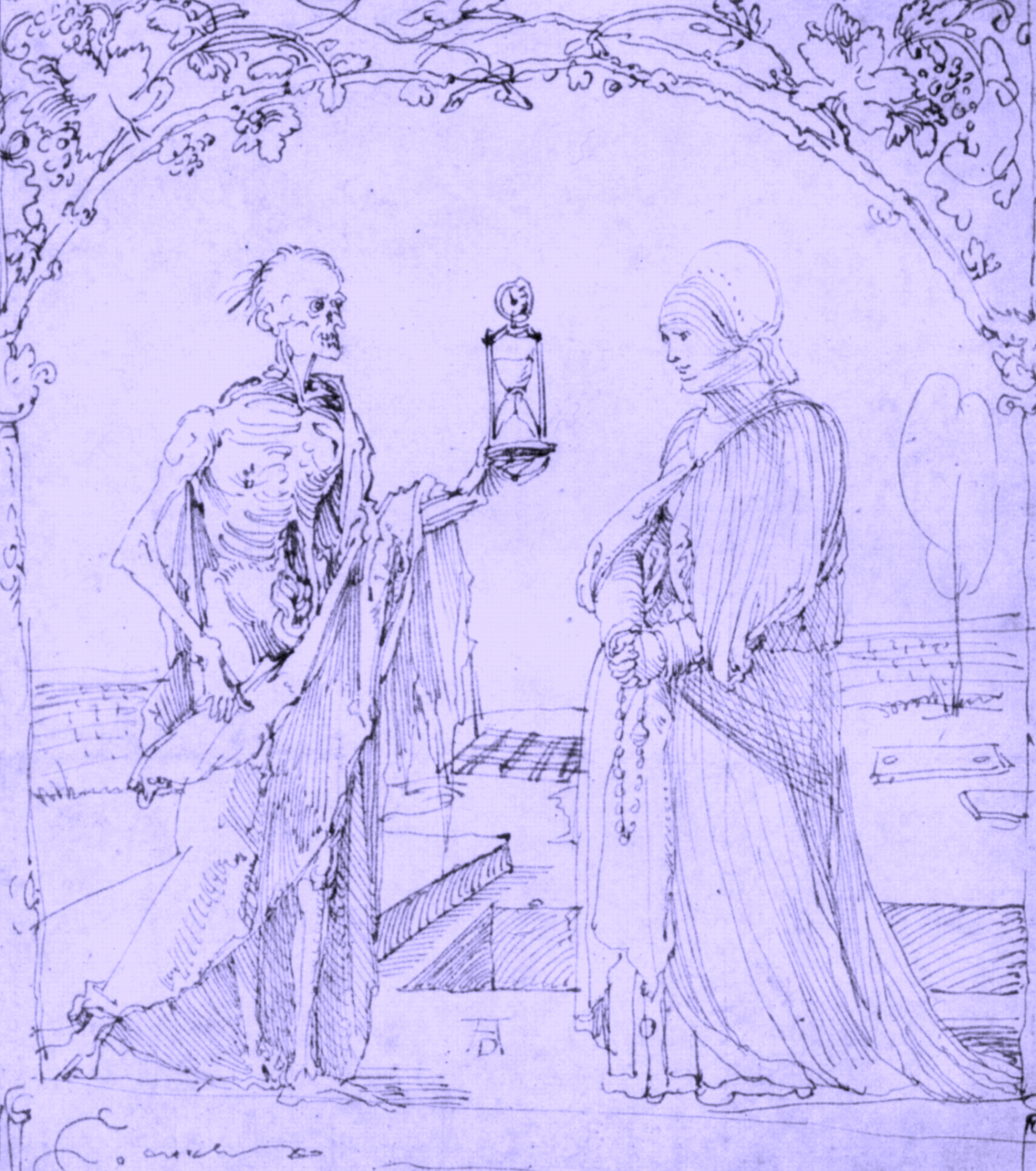 Images of a maiden caught or confronted or taken unaware by death, depicted as a skeleton, seem to have been everywhere in the Renaissance. All purport to remind us that beauty and youth are fleeting, that death awaits us and comes unbidden, at no predictable time. And all purport to place us in that half resigned, half regretful mood of Horace’s “Eheu fugaces, Postume, Postume /labuntur anni — Alas, Postumus, Postumus, how the years go fleeting by …”
Talking about this with my long time friend Ron Giere, aware how this applied to us, he said rather heavily “I know a lot of dead people now. Starting with my parents …” Then he added names of philosophers we had both known, including Tamara, who had not seen the years fleet by.
Tamara. I enjoyed her arguments, I enjoyed being her friend and friendly adversary.
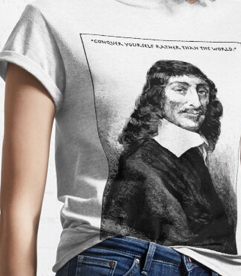
On one occasion she met me wearing a T-shirt with a picture of Descartes on the front. Flirting a little, I pointed roughly in her direction and said:
That is a philosopher!
and I asked “What I said is clearly true. But what is the true thing that I said?”
She laughed a little, but more, I think, to show pleasure than at the puzzle. Then soon she was telling me that she had been assaulted and raped, some time during the past year. Now, she said, I have a .357 Magnum, it was the only thing to help me trying to get over it. I go to the range, and every target I hit is the man who assaulted me. “If I saw him again I would kill him, joyfully, happily, with delight”.
It was some years after that, after I had not seen her in a while, at a conference thousands of miles away from there, that I heard she had died.
It was unexpected. I was surprised at how much of a shock it was. I went down to the bar, to have a drink. To her memory? As if we could not escape a ritual …. If she had not died would I have seen her at this conference? In a sudden image there she was, coming into the bar, with her little lopsided grin, walking towards me. The taste of the whisky turned grief into a fitting melancholy; slyly seeping in, it transmuted a little lead into gold. Beyond the bar’s windows the desert stretched out toward infinity.
We are meat, we are spirit
We have blood and we have grace
We have a will and we have muscle
A soul and a face
Why must we die?
We are human, we are angel
We have feet and wish for wings
We are carbon, we are ether
We are saints, we are kings
Why must we die?
Why must we die?
We are men of constant sorrow
We’ll have trouble all our days
We never found our El Dorado …
(Kate & Anna McGarrigle, Matapedia)
Now we are many years later yet, and I try to be an empiricist. I have no metaphysics to order this life so that everything happens by necessity or probability, as Aristotle requires of a well-written tragedy. No, there is no necessity, it’s just one damn thing after another — or just one blessed thing after another … And yet, there is the overwhelming reality of death.
Once upon a time I lived in Canada, not in the far north of Canada as Canadians know it, but still far north. In the autumn the saskatoons would ripen, the purple asters and black-eyed Susans bloom, but there, just beyond this time, the winter would be coming on like a juggernaut. The fifty-below freeze that broke the engine block in my car, the snow storms that would empty the road of all traffic, the squirrel found frozen dead in the street. The coming winter was acknowledged, it was accepted. But there was more to it than acceptance. As Paul Cortois argues for friendship and for enmity or hate, all the great concepts whereby we locate ourselves in this life, some sort of love is involved.
A little love goes a long way.
I do not rage against the dying of the light ….
I get out my Kodak boots and warmest parka, look for the long-johns that I tossed into the laundry an eternity ago.
When the storm has passed, you will lift a glass. 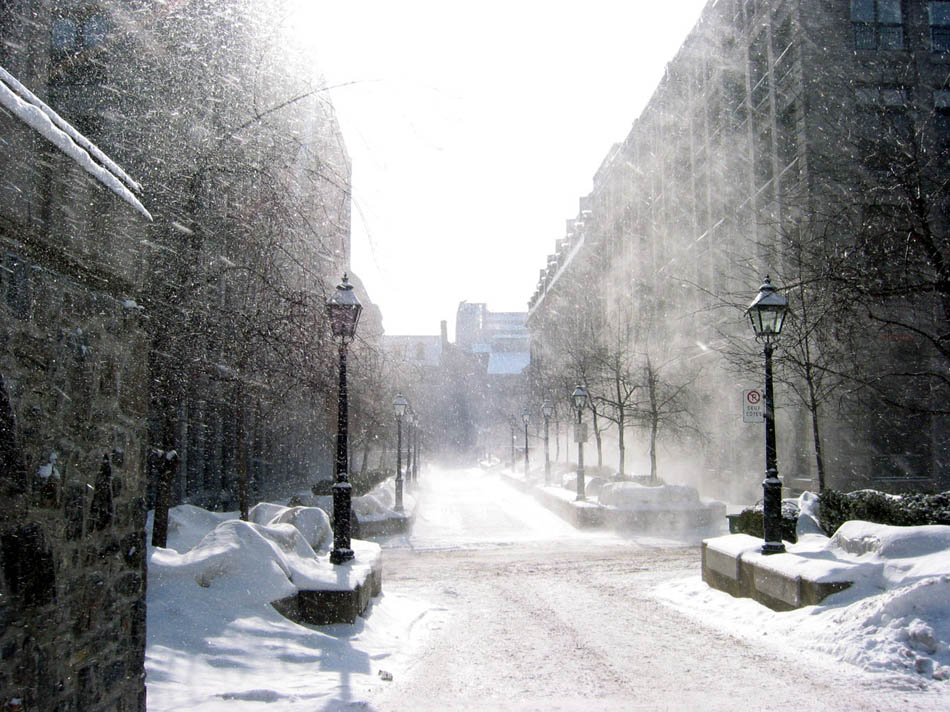 The taste of the whisky will turn grief into a fitting melancholy …..
 Bas van Fraassen's Commonplace Book